Sandspur Island (Raccoon Island): Miami's Wildlife & Island Paradise
Explore the rich 100-year history, geological origins, raccoon colony biology, and environmental rules of Sandspur Island. Check our catalog of 12 verified boat tours, review marina launch points & kayak routes, read passenger reviews & Reddit advice, or visit our travel blog.
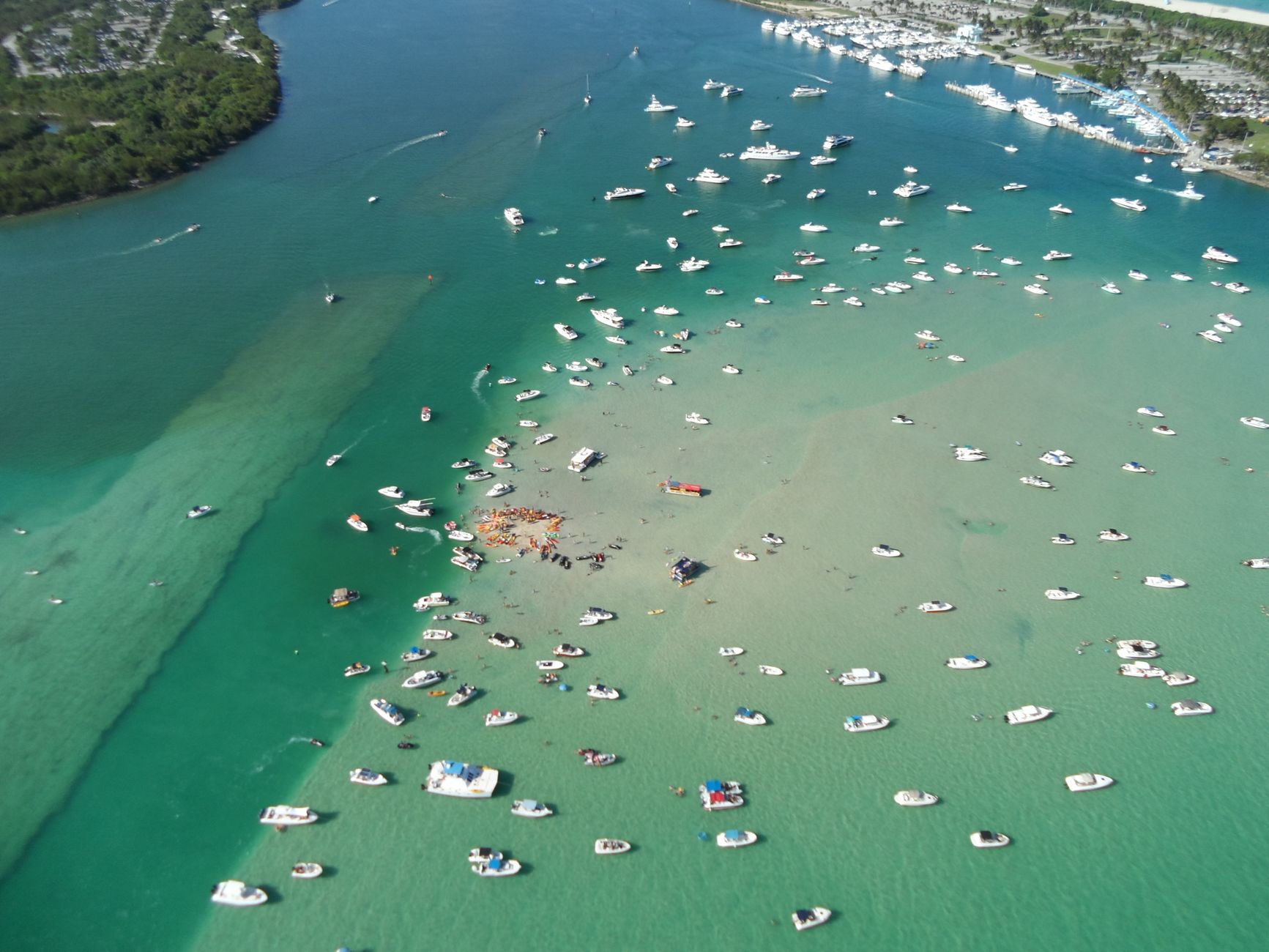
Sandspur Island Key Facts & Specifications
Quick reference overview of coordinates, dimensions, elevation, and administrative designations.
Total Area
15 Acres (6.1 Hectares)
Max Elevation
4.2 Feet Above Sea Level
GPS Coordinates
25.8778° N, -80.1342° W
Raccoon Colony
~40–60 Animals
The 100-Year History of Sandspur Island: From Dredge Spoil to Wildlife Refuge
How a 1920s navigation dredging mound evolved into one of Miami's most famous ecological islands.
1. The Dredging Era (1920s–1930s)
Sandspur Island did not exist before the 1920s. During the expansion of Miami's shipping corridors and the dredging of the Intracoastal Waterway by the U.S. Army Corps of Engineers, massive amounts of sea bottom limestone, crushed coral, and quartz sand were pumped to designated spoil sites across North Biscayne Bay. Spoil Mound #3 eventually rose above the tide, forming a raw 15-acre footprint surrounded by shallow sand flats.
2. Vegetation Colonization & "Beer Can Island" Era (1950s–1970s)
Throughout the mid-20th century, ocean currents and migratory birds carried seeds to the island. Australian pines (*Casuarina equisetifolia*) and sea grapes established root systems, anchoring the shifting sand. By the late 1960s, local boaters began using the island as a weekend anchorage, giving it the informal nickname "Beer Can Island." During this period, small family raccoons from nearby Oleta River mangroves swam across the narrow 0.7-mile channel during low tide, finding a safe sanctuary free of mainland predators like coyotes and domestic dogs.
3. Ecological Restoration & DERM Management (1990s–Present)
In the 1990s, Miami-Dade Department of Regulatory and Economic Resources (DERM) and the Florida Fish and Wildlife Conservation Commission (FWC) designated Sandspur Island a protected public spoil preserve. Invasive Australian pines were thinned to make room for native buttonwood trees, red mangroves, and maritime oak hammocks. Today, the island is recognized worldwide as a clean, sustainable sanctuary where wild raccoons thrive in harmony with responsible boaters.
Historical Timeline Overview
Spoil Mound Creation
U.S. Army Corps of Engineers deposits dredged limestone and quartz sand during channel deepening.
First Raccoon Crossings
Raccoons swim over from Oleta River mangroves during low tide, establishing the island's first breeding pairs.
Native Tree Restoration
Miami-Dade DERM initiates native mangrove and sea grape reforestation projects.
ORV Vaccination & Eco-Tourism
Bi-annual oral rabies vaccination programs ensure a healthy, rabies-free wildlife population for guided boat tours.
The Raccoons of Sandspur Island: Behavior, Diet & Health Monitoring
Learn how the island raccoons adapted to daylight aquatic life and why they are 100% rabies-free.
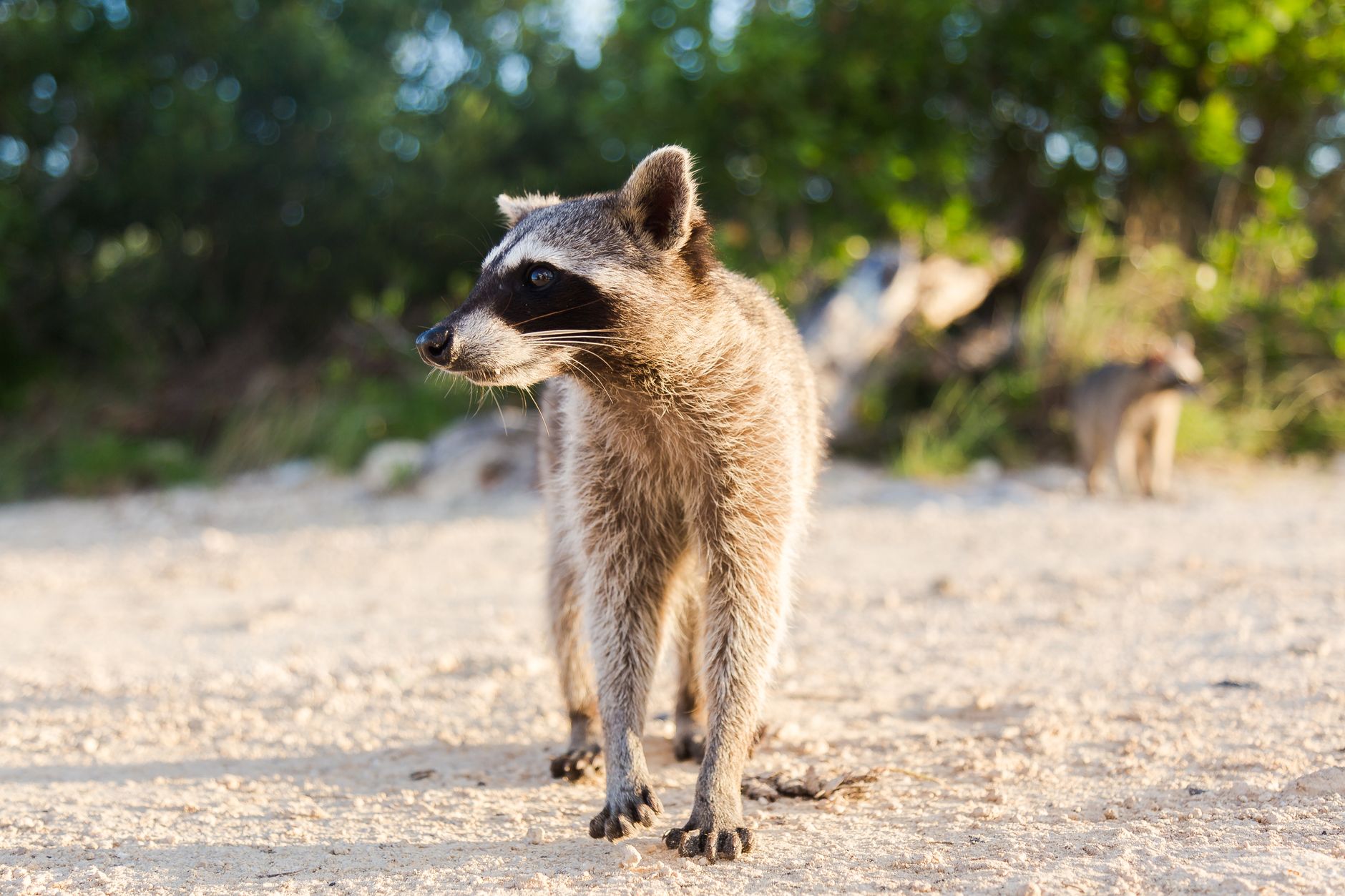
Unique Diurnal Behavior & Aquatic Foraging
Mainland raccoons are nocturnal scavengers. However, Sandspur Island raccoons (*Procyon lotor elucus*) have evolved a rare diurnal schedule. Because daylight brings incoming tour boats and kayaks, the raccoons gather along the shoreline during morning and afternoon hours. They are skilled swimmers and wade into knee-deep water to catch fiddler crabs, small bay fish, and marine snails.
Wildlife biologists from Florida FWC and county health teams deploy fish-scented oral vaccine baits twice per year across Sandspur Island. Thanks to this systematic program, the colony has maintained a 100% rabies-free record for over two decades.
Raccoons possess dense water-resistant fur and webbed paws. They effortlessly swim across 100-yard channels between sandbars to explore tide pools and forage along red mangrove root edges.
Visitor Guidelines: Protecting Sandspur Island Wildlife
Adhere to official Florida Fish and Wildlife Conservation Commission (FWC) regulations to keep animals healthy and visitors safe.
Recommended Do's
- Observe raccoons from a respectful distance in waist-deep water.
- Store personal backpacks, food, and drinks inside latched hard-shell coolers.
- Practice strict Leave No Trace principles: pack out all wrappers and bottles.
- Capture photos and video footage while allowing animals space to move naturally.
- Wear protective water shoes to prevent cuts from oyster beds and mangrove roots.
Crucial Don'ts
- Do NOT hand-feed raccoons processed snacks, chips, bread, or alcohol.
- Do NOT attempt to pet, touch, grab, or corner adult raccoons or young kits.
- Do NOT leave open soft canvas bags on the beach unattended.
- Do NOT bring glass bottles or single-use plastic cups onto island sandbars.
Flora, Fauna & Marine Ecosystem Around Sandspur Island
Beyond raccoons, Sandspur Island supports protected manatees, sea turtles, dolphins, and nesting aviary birds.
Protected Marine Mammals
West Indian Manatees and Atlantic Bottlenose Dolphins navigate calm seagrass channels around Sandspur Island during morning hours.
Coastal Aviary Birds
Brown Pelicans, Great Blue Herons, Ospreys, and Snowy Egrets nest in dense sea grape and red mangrove canopies covering the interior.
Shallow Water Marine Life
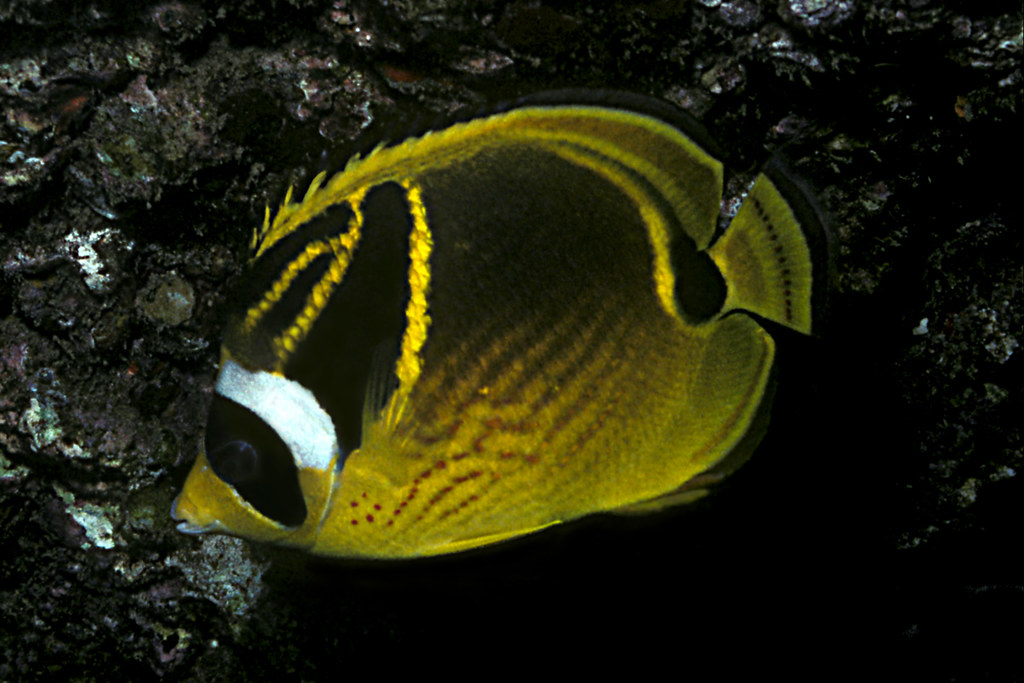
Undersea seagrass beds house blue crabs, juvenile rays, bonnethead sharks, and colorful reef fish along mangrove root systems.
Experience Sandspur Island in Person
Book a top-rated boat tour with a licensed captain to visit Sandspur Island safely, meet the island raccoons, and swim at Haulover Sandbar.
Book Sandspur Island TourFrequently Asked Questions About Sandspur Island
Clear answers regarding island names, facilities, and visitor permissions.
Yes! Sandspur Island is the official geographic name on federal nautical charts, while Raccoon Island is its universally known nickname inspired by the resident wild raccoon population.
No. Sandspur Island is an undeveloped, uninhabited natural island with no restrooms, drinking water, or trash bins. Commercial boat tours provide onboard marine restrooms or make stops at mainland marinas.
Yes! Sandspur Island is a public spoil landmass in Biscayne Bay open for recreational day visits by boat, kayak, or paddleboard during daylight hours.